Benefits of Strength Training and How to Get Started
If you've crossed the threshold of 40, you've likely noticed that the rules of engagement have changed. The pizza you ate at midnight now stays on your waistline for a week. Your back complains about the way you slept. Your energy levels at 3:00 PM feel like a phone battery stuck at 1%. This isn't just "getting old"—it's a biological transition. But here’s the good news: Strength training is the most powerful tool ever discovered to reverse these symptoms.
At DadBod40, we believe that the second half of a man's life should be his strongest. In this comprehensive guide, we are diving deep into the physiological and psychological benefits of lifting heavy things and, more importantly, providing a foolproof roadmap for how you can get started today—safely, effectively, and without spending two hours in the gym.
The Biological "Why": Benefits for the 40+ Man
Many men view weightlifting as a vanity project—something for the guys in string tank tops at the local big-box gym. However, for the man over 40, strength training is medical necessity. It is the only form of exercise that addresses the root causes of age-related decline.
Beginning around age 30, men start to lose 3% to 5% of their muscle mass per decade. By 50, if you haven't been proactive, you've lost a significant chunk of your metabolic engine. Strength training triggers hypertrophy, forcing your body to retain and build new muscle fibers. This isn't just about looking better in a t-shirt; it’s about maintaining the ability to move, lift, and remain independent as you age.
Testosterone levels naturally decline by about 1% per year after age 30. Low T leads to weight gain, brain fog, and decreased libido. While many turn to TRT immediately, high-intensity resistance training—specifically compound movements like squats and deadlifts—has been shown to acutely increase serum testosterone levels and improve androgen receptor sensitivity. You are essentially telling your body: "We are still in the fight. Stay young."
Osteoporosis isn't just a concern for women. Men over 40 face a steady decline in bone mineral density. Lifting weights places a healthy "stress" on the skeletal system, signaling osteoblasts to lay down new bone tissue. Furthermore, building muscle around your joints (especially the knees and lower back) acts as a protective sleeve, reducing chronic pain and preventing future injury.
Muscle is metabolically expensive. It requires energy just to exist. By increasing your muscle mass, you increase your Basal Metabolic Rate (BMR), meaning you burn more calories while sitting at your desk. Perhaps more importantly, muscle is the primary "sink" for glucose. Strength training improves insulin sensitivity, which is your #1 defense against Type 2 Diabetes and the dreaded "visceral fat" that surrounds your organs.
How to Get Started: The Mindset Shift
The biggest hurdle for most men isn't the physical weight—it's the ego. If you haven't been in a gym since George W. Bush was in office, you cannot expect to bench press what you did in college. Your first 30 days should be focused on movement quality rather than intensity.
Phase 1: The Pre-Flight Checklist
- See Your Doctor: If you've been sedentary for 5+ years, get a basic blood panel and blood pressure check.
- Clear the Space: Whether it's a garage gym or a membership, find a place where you feel comfortable. You don't need fancy machines; a set of dumbbells and a bench are enough to start.
- Invest in Footwear: Stop lifting in squishy running shoes. They are unstable for squats. Get a flat-soled shoe or lift in your socks if training at home.
The "Big Four" Movements You Need to Master
Forget the bicep curls and calf raises for now. If you want to transform your body efficiently, you must focus on compound movements—exercises that use multiple joints and muscle groups simultaneously.
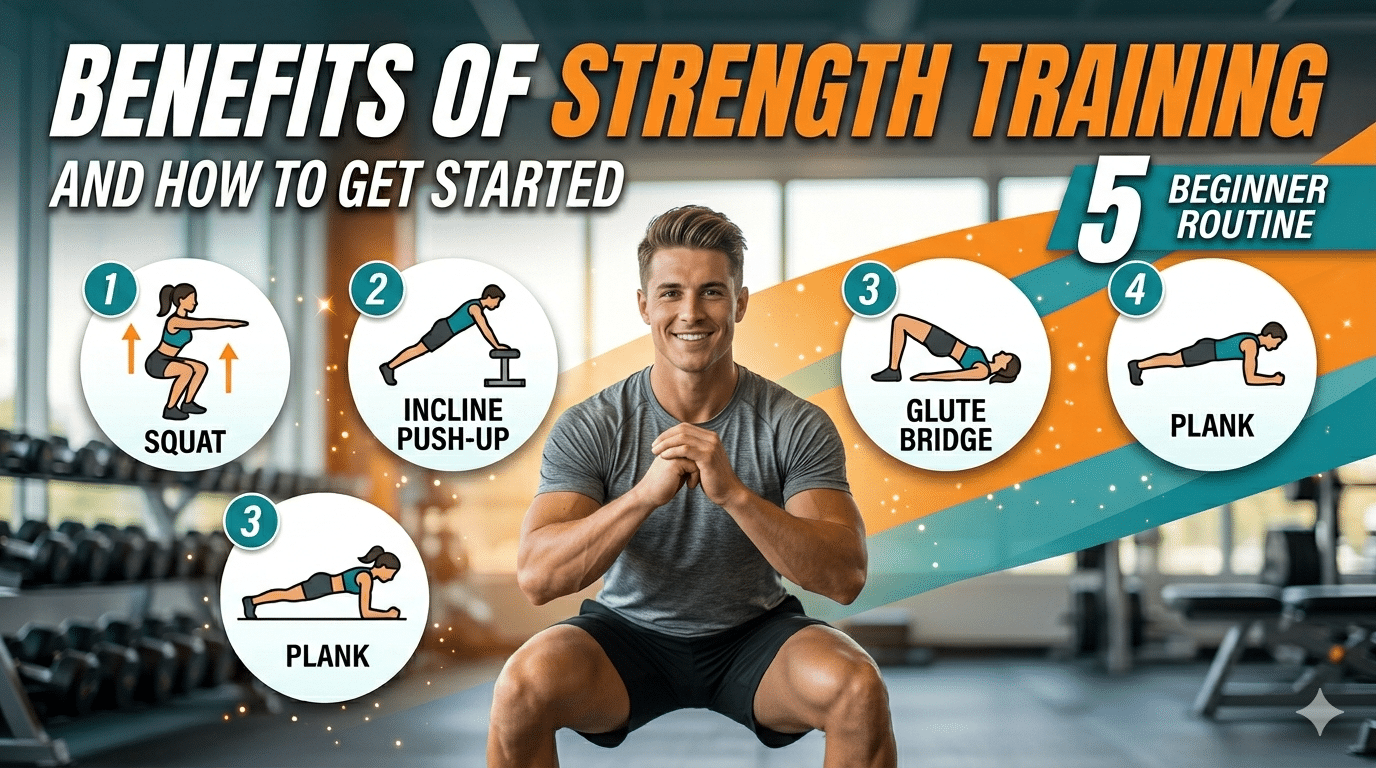
The king of all exercises. It targets the quads, glutes, and core. For beginners, start with the Goblet Squat, holding a weight at your chest to counter-balance your weight and keep your spine upright.
2. The Hinge (Lower Body Pull)This is the movement you use to pick up a heavy box. Mastering the Romanian Deadlift (RDL) is vital for back health. It strengthens the hamstrings, glutes, and the "erector spinae" muscles that support your spine.
3. The Push (Upper Body)This includes the Bench Press and the Overhead Press. It builds the chest, shoulders, and triceps. For the 40+ man, the Dumbbell Floor Press is a great way to build chest strength without over-straining the shoulder capsule.
4. The Pull (Upper Body)Think Rows and Pull-ups. Most men have "office posture"—slumped shoulders and a rounded back. Heavy rowing movements pull your shoulders back and build a thick, stable upper back.
The "DadBod40" Beginner Routine
Perform this routine 3 days per week (e.g., Monday, Wednesday, Friday). Focus on perfect form. If the last two reps of a set look sloppy, the weight is too heavy.
The Full Body Foundation
- Goblet Squats: 3 Sets × 10–12 Reps Rest 90s
- Dumbbell Rows: 3 Sets × 10 Reps per arm Rest 60s
- Push-Ups: 3 Sets × Max Reps (Stay 2 reps away from failure) Rest 60s
- Dumbbell RDLs: 3 Sets × 12 Reps Rest 90s
- Plank: 3 Sets × 45 Seconds Rest 45s
Recovery: The 40+ Secret Weapon
When you're 20, you can train on 4 hours of sleep and a diet of fast food. When you're 40, your body only grows when you recover. You must prioritize the "Big Three" of recovery:
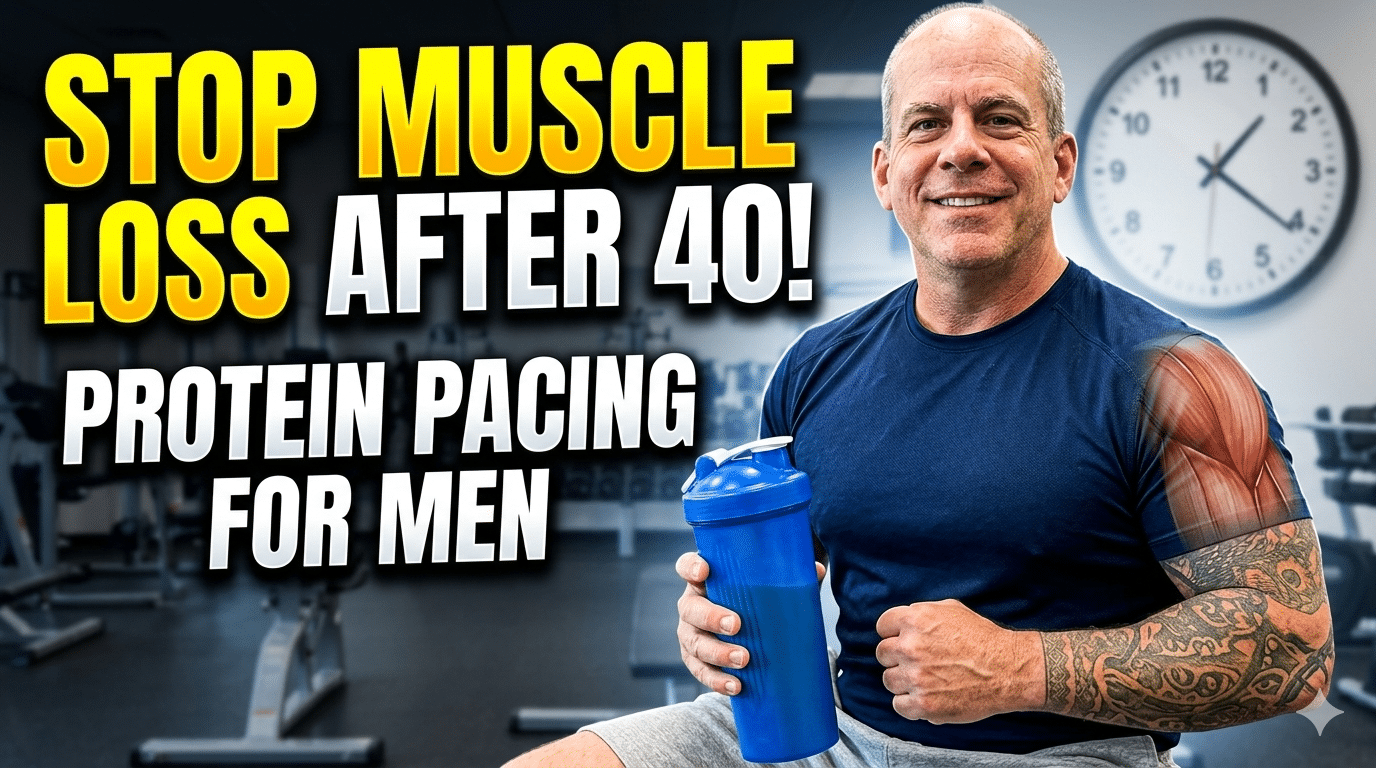
To repair the micro-tears caused by strength training, you need amino acids. Aim for roughly 1.8g to 2.2g of protein per kg of body weight. This keeps you full and prevents muscle wasting.
2. Sleep is Your Natural TRTThe majority of your growth hormone is released during deep sleep. If you're only getting 5 hours, you're cutting your results in half. Aim for 7–8 hours of quality, dark-room sleep.
3. Active RecoveryOn your off days, don't just sit on the couch. A 30-minute walk or light mobility work increases blood flow to the muscles, flushing out waste products and speeding up the healing process.
Your Best Years Start with a Barbell
Strength training is more than just a way to lose the belly; it's a way to reclaim your identity as a capable, strong, and energetic man. The transition from a "dad bod" to a "fit dad" doesn't happen overnight, but it starts with the decision to show up. 30 days of consistency will do more for your health than 10 years of "planning to start."
Don't let age be an excuse. Let it be the reason. You have families to lead, careers to dominate, and a life to enjoy. Get strong, stay consistent, and remember: At 40, you’re not over the hill—you’re just reaching the peak.
Ready for more? Subscribe to our newsletter for custom programs, meal plans, and the motivation you need to stay in the game.

J.V. CHARLES – DadBod40
J.V. Charles is a fitness advocate and coach dedicated to helping men over 40 navigate the challenges of middle age through practical strength training, nutrition, and mindset shifts. He believes that with the right approach, any man can be in better shape at 45 than he was at 25.