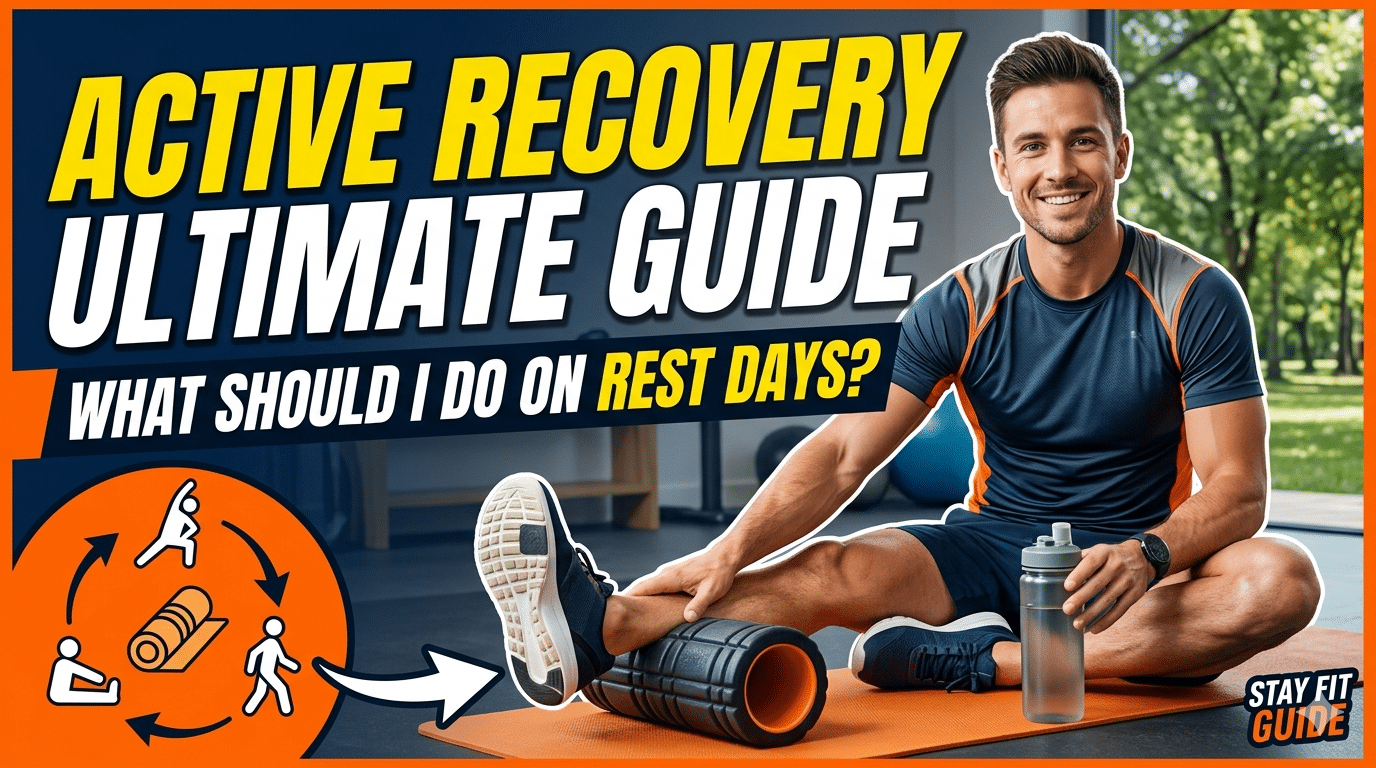
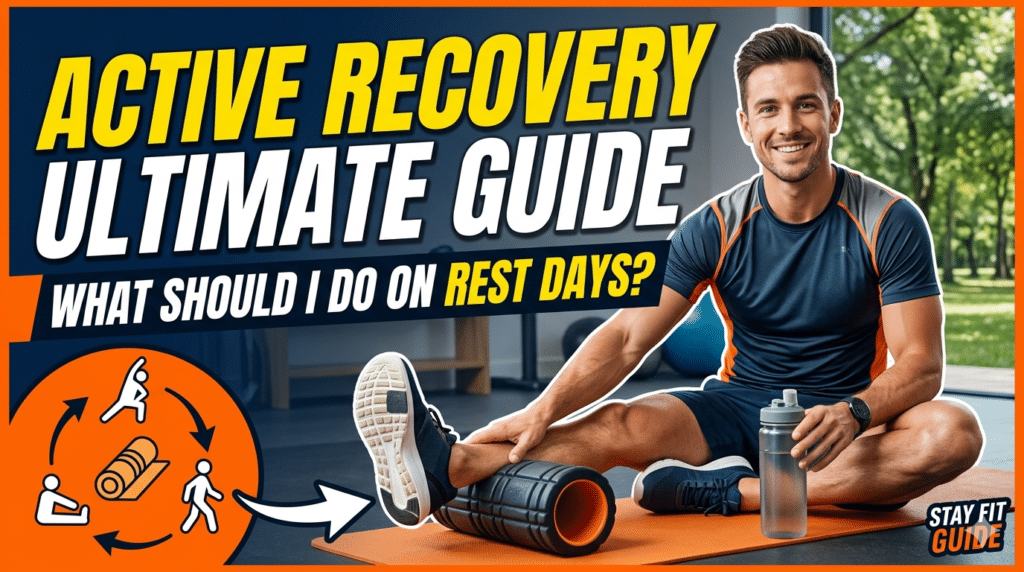
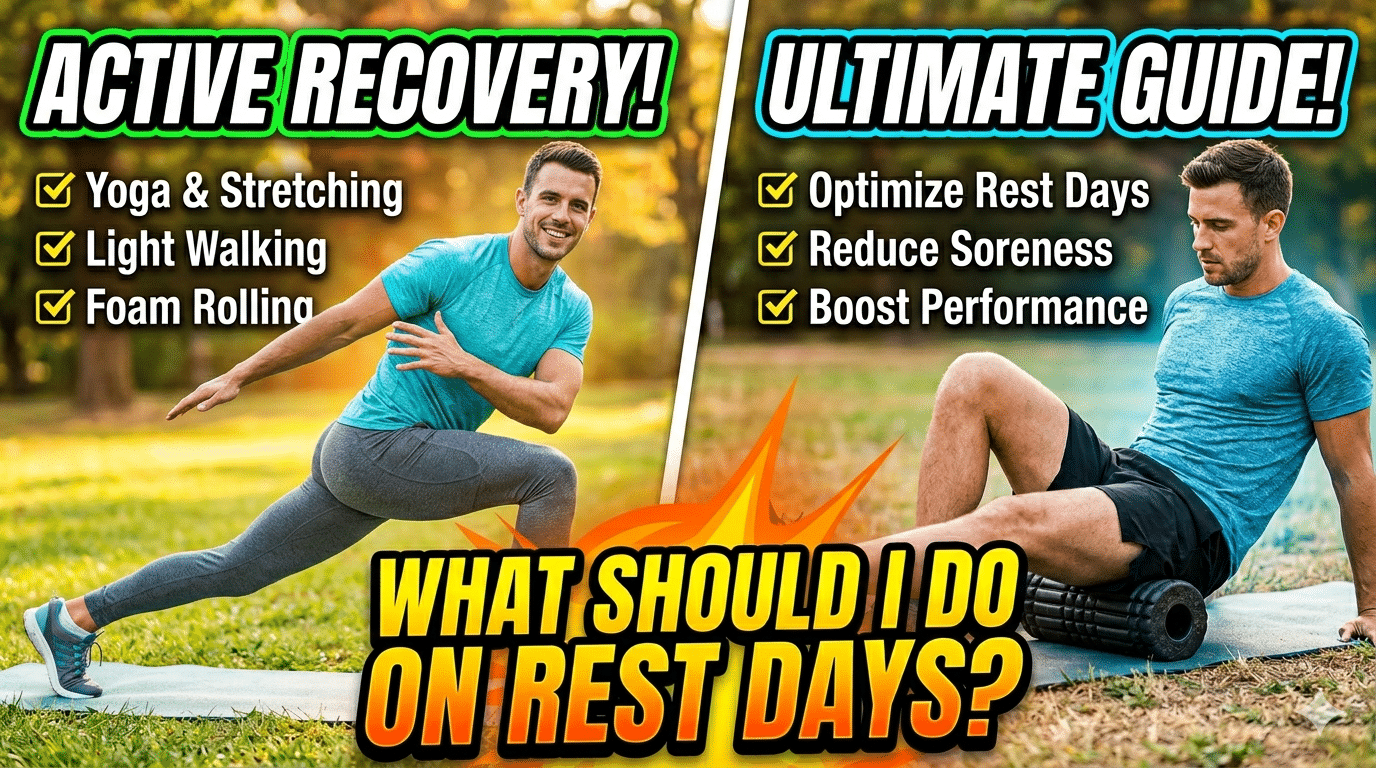
Active Recovery Ultimate Guide: What Should I Do on Rest Days?
Rest days used to mean sitting on the couch, scrolling your phone, and feeling guilty about it. After 40, that approach actually slows progress. Your body repairs muscle, reduces inflammation, and rebuilds stronger during recovery — but only if you give it the right signals. Total inactivity leads to stiffness, poor blood flow, and longer soreness. Smart active recovery flips the script: you move lightly, improve mobility, flush waste products, and come back stronger without burning out.
This ultimate guide is built for men over 40 who lift, want to stay injury-free, and still have a life outside the gym. You’ll learn exactly what active recovery is, why it beats passive rest, 8 proven activities you can do on rest days, a sample daily routine, nutrition and sleep tips, and how to track real progress. No fluff, no bro-science — just practical strategies that fit real schedules and deliver visible results in energy, joint health, and strength gains.
What Is Active Recovery and Why It Matters After 40
Active recovery is low-intensity movement that promotes blood flow, reduces muscle soreness, and speeds up repair without adding stress. Think 20–40% of your normal training effort. After 40, recovery becomes the limiting factor — not how hard you train. Studies show active recovery days improve circulation, lower cortisol, maintain range of motion, and reduce delayed onset muscle soreness (DOMS) by up to 30% compared to complete rest. The result? You train more consistently, stay injury-free, and actually look forward to your next session instead of dreading it.
The 8 Best Active Recovery Activities for Men Over 40
20–45 minutes at a conversational pace. Outdoors is best — it improves mood, vitamin D, and joint lubrication. Aim for 8,000–10,000 steps on rest days.
15–25 minutes of controlled movements: cat-cow, hip openers, thoracic rotations, shoulder dislocates. Use a foam roller or lacrosse ball for tight spots. Focus on areas that feel stiff after lifting.
Zero-impact cardio that flushes lactic acid and soothes joints. Even 20 minutes of easy laps or water walking works wonders for recovery.
20–30 minutes of beginner or restorative yoga. Focus on breath and gentle poses. Apps like Down Dog have excellent “recovery” or “over 40” flows.
20–40 minutes at very low resistance. Keep heart rate under 120 bpm. Great for active blood flow without joint pounding.
10–15 minutes targeting quads, IT bands, lats, and calves. Follow with static stretches for the same areas.
2–3 rounds of air squats, push-up variations from knees, bird-dogs, and glute bridges. Keep everything slow and controlled — no sweat, just movement.
Golf (walking the course), gardening, playing catch with the kids, or a casual hike. Movement that feels like fun counts as recovery.
Sample Active Recovery Day Schedule (Realistic for Busy Men)
Morning (10–15 min): Coffee + 10-minute mobility flow (thoracic rotations, hip openers, cat-cow)
Mid-morning or lunch break: 20–30 minute brisk walk outside
Afternoon (optional): 10 minutes foam rolling while watching a show
Evening: Light yoga or gentle stretching before bed (15 minutes)
Total movement: 45–75 minutes spread throughout the day. No gym required. You’ll feel loose and energized instead of stiff and guilty.
Nutrition & Sleep: The Hidden Recovery Multipliers
Active recovery works best when paired with smart fueling. On rest days eat at maintenance calories or a slight surplus with high protein (1.6–2.2g per kg body weight). Prioritize anti-inflammatory foods: fatty fish, berries, olive oil, turmeric, and tart cherry juice. Magnesium (300–400mg at night) and omega-3s help reduce soreness. Sleep 7–9 hours — this is when most repair happens. A 20-minute nap after your walk can supercharge recovery even more.
Common Active Recovery Mistakes to Avoid
- Turning rest day into a secret workout — keep intensity truly low
- Skipping movement entirely and wondering why you feel stiff
- Ignoring mobility work — this is where most over-40 guys lose range of motion
- Forgetting to listen to your body — some days a full rest day is better
- Comparing yourself to 20-year-olds on social media
Make Rest Days Work for You
Active recovery isn’t lazy — it’s smart training. Men over 40 who master it recover faster, stay injury-free longer, and make consistent progress year after year. The goal isn’t to train harder; it’s to train smarter and recover better. Start with one or two activities from this guide on your next rest day. You’ll feel the difference immediately: less soreness, better mobility, and more motivation when you step back into the gym.
Recovery is where the real gains happen. Treat it like the important training session it is, and your body will reward you with strength, energy, and a physique that keeps improving well into your 50s and beyond.
Want weekly active recovery routines, mobility flows, and DadBod40 programs designed specifically for men over 40? Join the free newsletter here — practical training and recovery that actually fits real life.
About the Author

J.V. CHARLES – DadBod40
Helping men over 40 train smarter, recover better, and build strength that lasts — without burnout or injury. Real programs for real life.