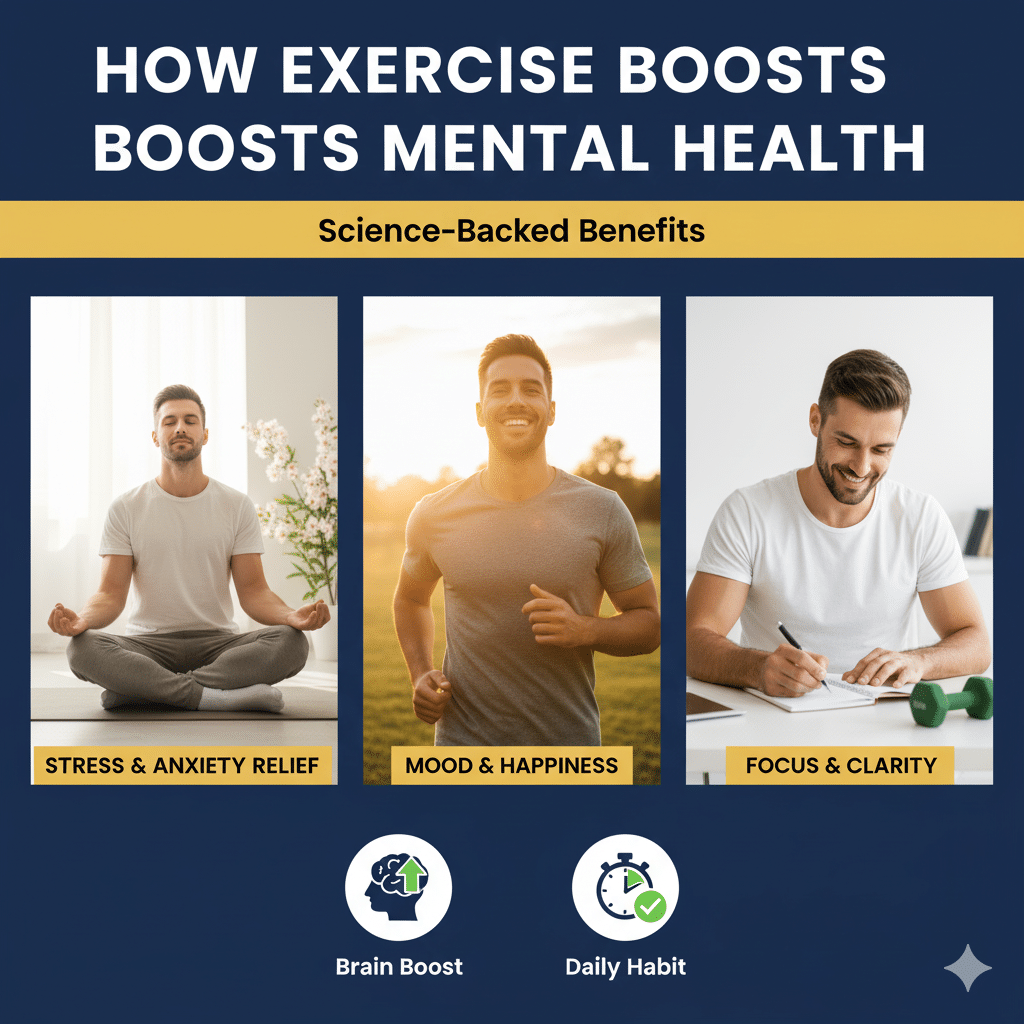

How Exercise Boosts Mental Health: Science-Backed Benefits
Man, if you woke up this morning feeling like the world’s sitting on your chest again, you’re not alone. I’m 46, got two teenagers who think I’m ancient, a mortgage that won’t quit, and some days the mirror shows a guy who looks more tired than tough. That’s the dad bod reality for a lot of us after 40. But here’s what actually pulls me out of the hole every single time: moving my ass. Not some influencer fairy dust just straight-up sweat. Because how exercise boosts mental health isn’t bro-science anymore. It’s legit, current, hard data that hits harder than any antidepressant I’ve ever been offered (and yeah, I’ve been offered).
Joshua Van here founder of Dad Bod 40. I started this site because I was sick of 25-year-old trainers telling guys my age to “just eat kale and do burpees.” We talk real nutrition, smart training, supplements that actually move the needle, and everything else that keeps us strong, sharp, and sane past 40. Today we’re going deep on the mental side, because let’s be honest most of us would rather admit we can’t hit a 405 deadlift anymore than say we’re struggling upstairs in our head.
Key Takeaways Up Front (Because You’re Busy)
- Exercise works as well as therapy or meds for depression an actual 2024 BMJ mega-review with 218 studies said so.
- 2–3 strength sessions a week + some brisk walking beats most antidepressants for guys our age.
- It grows new brain cells (literally more on BDNF in a sec).
- Drops anxiety fast often inside two weeks if you stick with it.
- Bonus: naturally bumps testosterone and sleep quality, which fixes half our mood problems anyway.

What’s Actually Happening in Your Head When You Train
I’m not a doctor, but I read the studies so you don’t have to fall asleep on PubMed at 11 p.m. like I do.
- The Immediate Hit – Endorphins + Dopamine That “holy shit I feel better” rush after a hard set? Real chemicals. Your brain dumps endorphins (natural opioids) and dopamine (the reward/motivation juice that starts tanking after 40). A 2024 meta-analysis showed even a single bout of resistance training spikes dopamine harder than a cup of coffee.
- BDNF – The Brain Fertilizer Everyone’s Talking About Brain-Derived Neurotrophic Factor sounds fancy, but think of it as protein for your neurons. Lifting and HIIT crank BDNF the most. Higher BDNF = new brain cells in the hippocampus (memory + mood HQ). 2025 studies on men 40–65 showed the guys who trained consistently had measurably thicker hippocampi and way less depressive symptoms.
- Inflammation Is Quietly F*cking With Your Mood Chronic low-grade inflammation skyrockets after 40 seed oils, stress, shitty sleep, all of it. It’s like a constant background noise of “life sucks.” Exercise is the best anti-inflammatory we have. Recent bloodwork data from 2025 trials showed 12 weeks of mixed training dropped CRP and IL-6 (inflammation markers) by 30–40% and mood scores improved right along with it.
The Benefits That Actually Matter to Us
- Depression & Anxiety: Gone or way better. The 2024 BMJ network analysis ranked strength training and walking/brisk hiking near the very top often outperforming SSRIs with zero sexual side effects (huge win for us).
- Brain Fog & Focus: Cleared up. 2025 research out of Norway showed guys doing 3x/week full-body lifts improved executive function scores as much as people 15 years younger.
- Confidence & Patience: You look better, you feel capable, you stop snapping at the wife and kids over dumb shit. I’ve lived it, hundreds of our readers have emailed the same story.
- Sleep: Fixed. Better circadian rhythm, lower cortisol at night fall asleep faster, wake up actually rested.
The Workouts That Move the Needle (No BS)
Forget six-day PPL splits that’s how you burn out and quit. Here’s what the data and real life say works for men over 40:
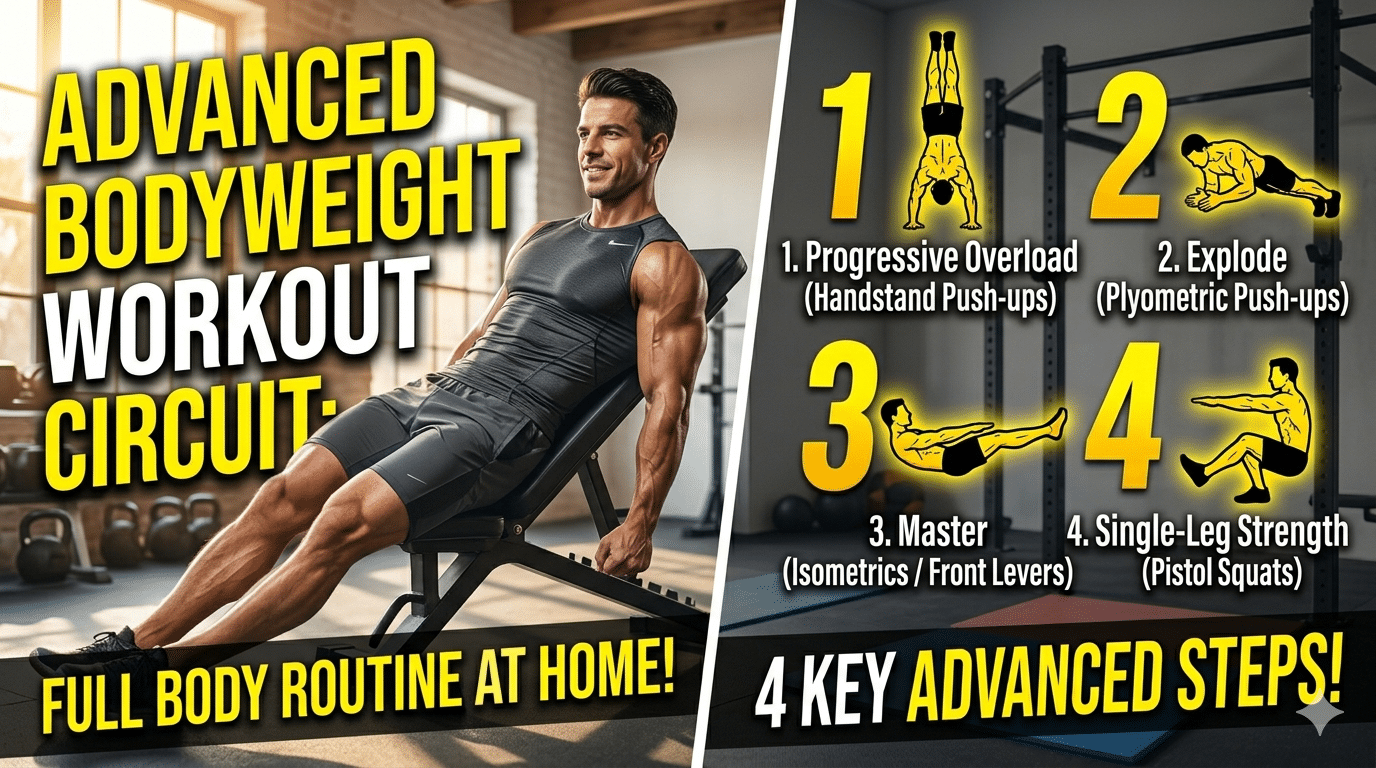
- Full-body strength 3x/week (squat, hinge, push, pull, carry). Keeps testosterone higher and mood stable.
- 20–30 minute fasted walks most mornings. Drops cortisol, clears the head, stacks with coffee like a champ.
- One short HIIT session on a bike or rower (20–25 min max). Massive BDNF spike without wrecking recovery.
- Throw in some yoga or mobility once a week if you’re wound tight 2024 data put yoga right up there with antidepressants.
That’s it. 4–5 hours a week total and your brain thanks you.
Making It Stick When Life’s a Shitshow
- Put it in the calendar before the kids’ soccer practice eats your slot.
- Train first thing in the morning even if it’s just push-ups and kettlebell swings in the garage.
- Find one buddy or join our private Dad Bod 40 community accountability is everything.
- Track something: weight on the bar, mood on a 1–10 scale, how many times you lost your shit this week. Seeing progress is crack for motivation.
FAQs – The Stuff You Guys Actually DM Me
I’m 52 and feel like it’s too late. Is it?
Hell no. The biggest mood and brain benefits in the 2025 studies showed up in the 50–65 group.
I hate the gym. What else works?
Brisk walking + bodyweight circuits at home. Same dopamine and BDNF response, zero commute.
When do I actually feel it?
Most guys say anxiety drops in 7–14 days. The deeper “I got this” feeling hits around week 6–8.
Can I overdo it and feel worse?
100%. If you’re doing two-a-days and sleeping like garbage, cortisol goes through the roof. More isn’t better consistent is better.
Supplements worth adding?
Omega-3s (high EPA), vitamin D if you’re low (most of us are), and magnesium at night. Ashwagandha has solid data too. We’ve got full guides.
Bottom Line
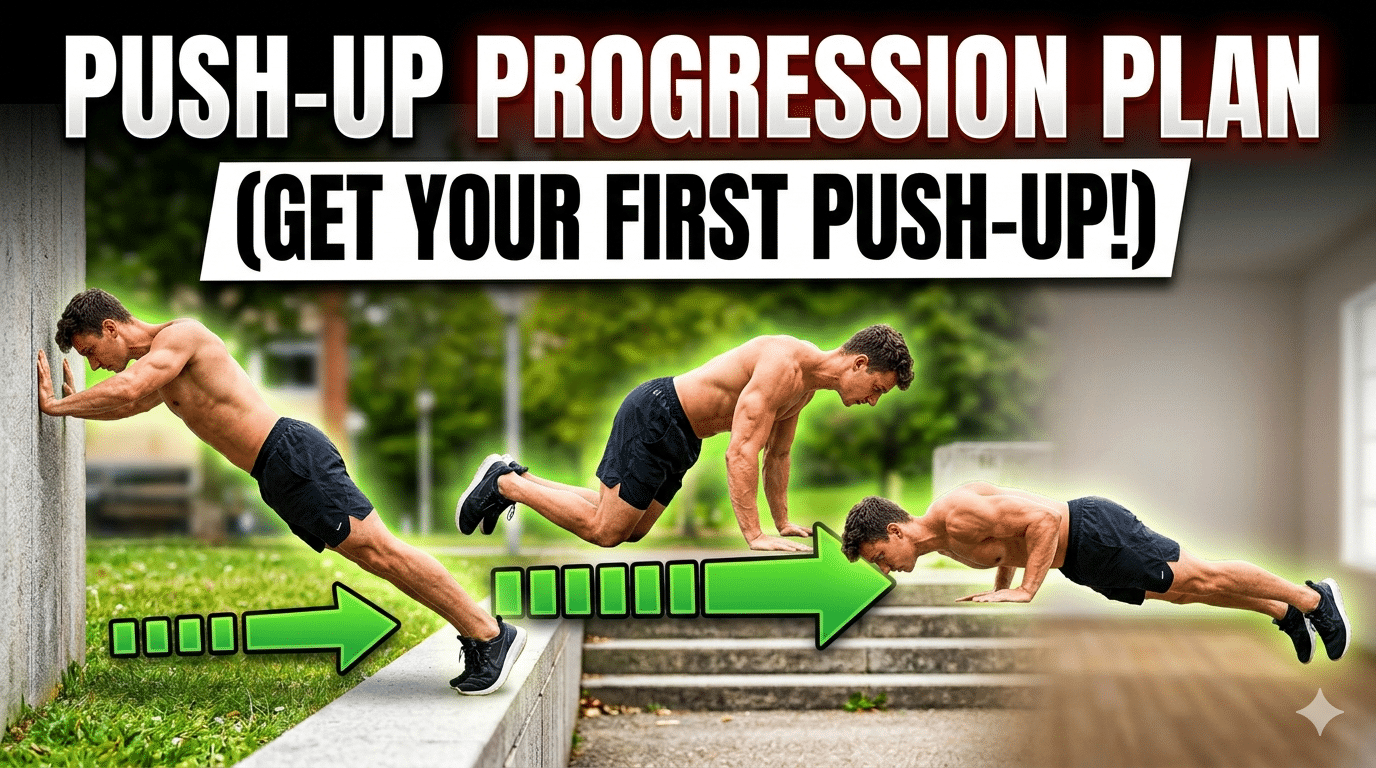
Brother, if you’re waiting to “feel motivated” before you start, you’ll be waiting forever. Motivation follows action. Go do 20 push-ups right now—seriously, I’ll wait. Feel that tiny spark? That’s the beginning.
That spark turns into a fire that keeps the darkness away. And that’s worth more than any PR in the gym.
Let’s get after it.
Joshua Van Dad Bod 40
References (Latest Stuff I Actually Read)
- Noetel et al. Exercise for depression: systematic review and network meta-analysis of 218 RCTs. BMJ 2024
- Zhang et al. Effects of exercise on depressive symptoms in middle-aged and older adults: meta-analysis of 58 RCTs. PLOS One 2025
- Multiple 2024–2025 papers on BDNF response to resistance training and HIIT in men 40+ (Sports Medicine, Journal of Aging and Physical Activity)
- Inflammation/cortisol studies – recent trials from Norway and Australia, 2025