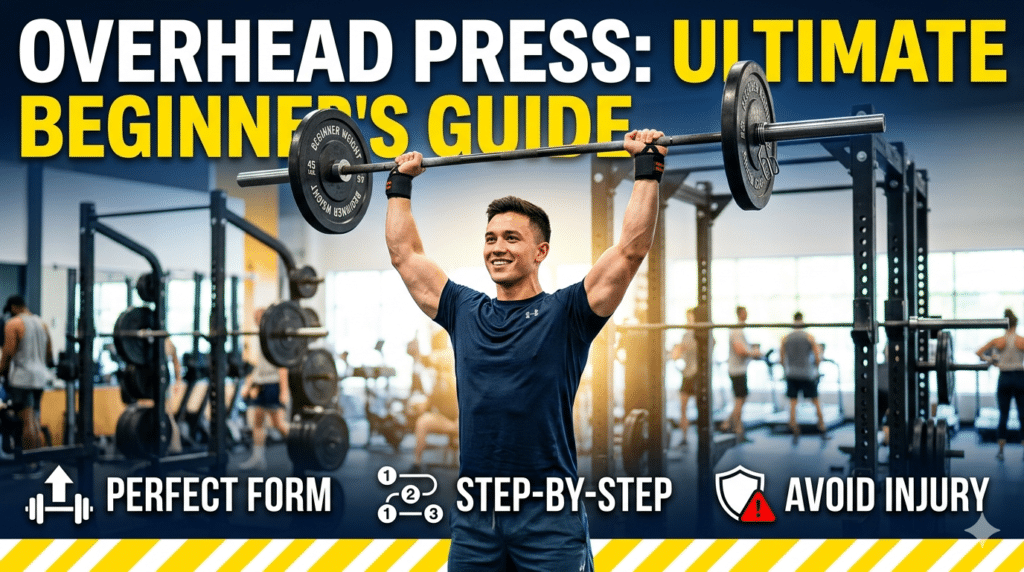
How to Perform the Overhead Press: The Ultimate Beginner’s Guide
After 40, strong, mobile shoulders aren’t just about looking good in a T-shirt — they’re about staying pain-free, maintaining good posture, lifting groceries without strain, and protecting your neck and upper back for decades to come. The overhead press is one of the single best exercises for building exactly that kind of real-world shoulder strength and stability.
Whether you use a barbell, dumbbells, or kettlebells, the overhead press teaches your body to push weight overhead safely and powerfully. It strengthens the deltoids, triceps, upper chest, traps, and core all at once. Done correctly, it improves posture, boosts testosterone response, enhances athletic performance, and dramatically reduces shoulder injury risk — something many men over 40 struggle with as years of desk work and poor mobility catch up.
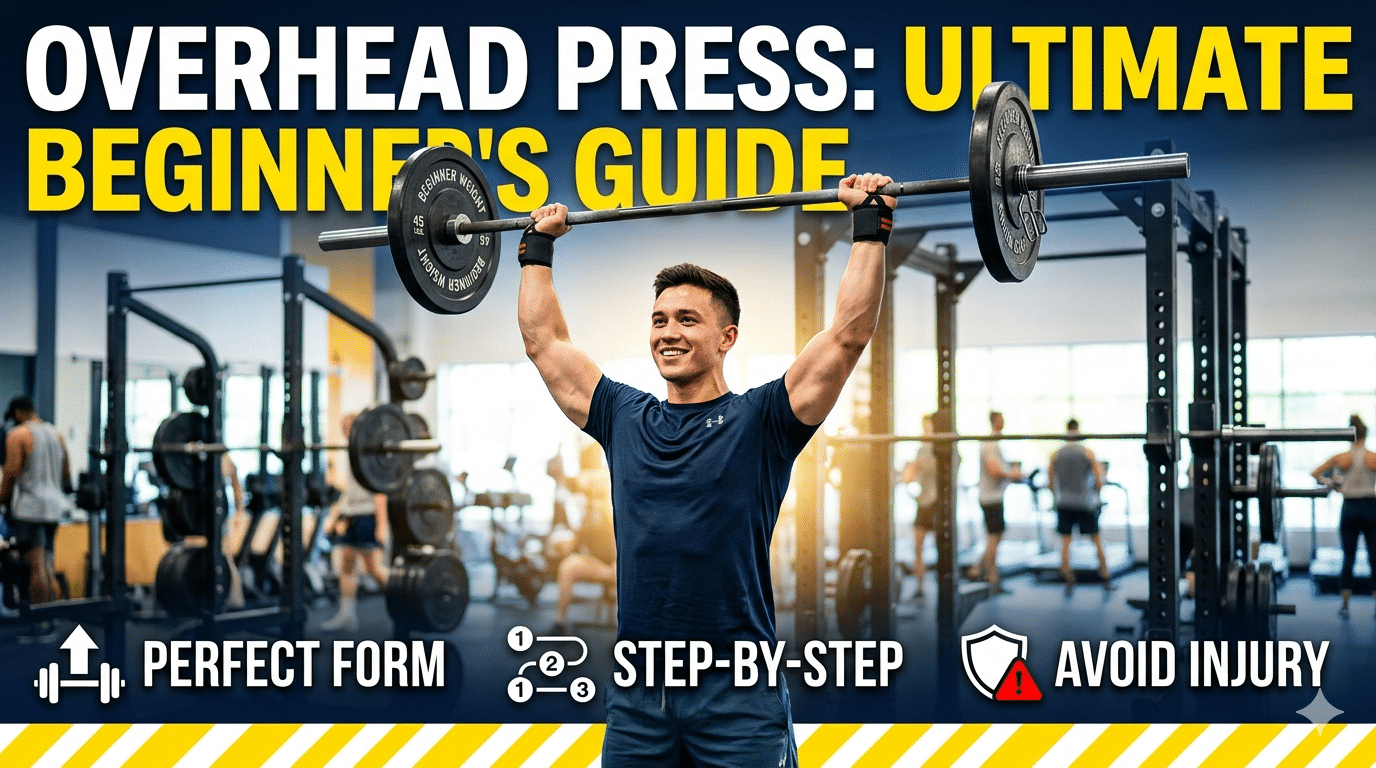
This ultimate beginner’s guide walks you through proper form, common mistakes with easy fixes, the best variations for men over 40, programming tips, and a complete safe workout plan. You’ll learn how to start light, progress steadily, and build impressive pressing strength without wrecking your shoulders or lower back. No gym bro nonsense — just practical, joint-friendly advice that actually works for real men with real lives. Let’s get you pressing strong and pain-free.
Why the Overhead Press Is a Must-Do Exercise After 40
The overhead press is often called the “king of upper body exercises” for good reason. Here’s why it matters more than ever after 40:
- Shoulder health & stability: Builds strong, mobile shoulders that resist injury and impingement
- Posture correction: Counters years of slouching at desks and phones
- Functional strength: Makes real-life tasks like putting luggage overhead or playing with kids easier
- Hormonal response: Compound pressing movements help maintain healthy testosterone levels
- Core engagement: Teaches you to brace and stabilize under load — protecting your lower back
Studies show that men who include overhead pressing in their routine have better shoulder range of motion and lower rates of rotator cuff problems compared to those who only do bench press or machines.
Equipment Choices: Barbell vs Dumbbell vs Kettlebell
You have three main options — each with advantages:
- Barbell Overhead Press: Builds the most raw strength. Use if you have access to a rack and good shoulder mobility.
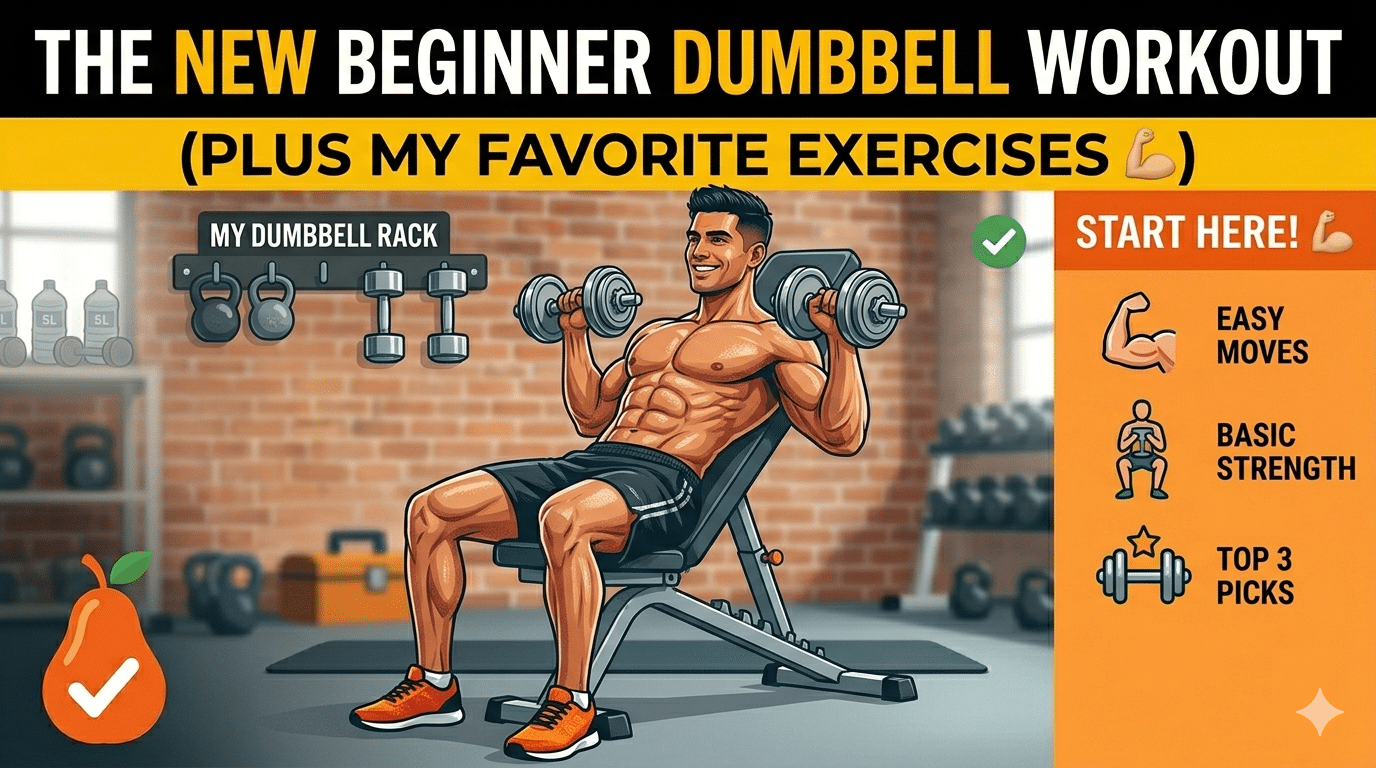
- Dumbbell Overhead Press: Most beginner-friendly and joint-safe. Allows natural arm path and fixes left/right imbalances. Best starting choice for most men over 40.
- Kettlebell Press: Excellent for stability and grip strength. Slightly more shoulder-friendly due to neutral grip options.
Start with dumbbells unless you’re already very comfortable with a barbell. They’re easier on the wrists and shoulders while still delivering excellent results.

Step-by-Step: How to Perform the Standing Dumbbell Overhead Press (Main Variation)
This is the foundational movement. Master it first before adding weight or trying barbell variations.
Setup:- Stand with feet shoulder-width apart, knees soft
- Hold dumbbells at shoulder height, palms facing forward or neutral
- Brace core, squeeze glutes, keep ribs down (no arching lower back)
- Press dumbbells straight overhead until arms are locked out
- Keep elbows tracking slightly forward (not flared out)
- Lock out at the top without shrugging shoulders into ears
- Lower slowly and controlled back to shoulder height
Recommended: 3–4 sets of 8–12 reps
Breathing: Inhale on the way down, exhale powerfully on the press.
Common Mistakes & How to Fix Them
Fix: Brace core hard, tuck ribs down, squeeze glutes. Film yourself sideways — back should stay mostly neutral.
2. Flaring elbows too wideFix: Keep elbows tracking slightly forward, like you’re pressing through a narrow doorway.
3. Using too much weight too soonFix: Start light enough that you can do 12 perfect reps. Add weight only when form stays perfect for all reps.
4. Shrugging shoulders at the topFix: Think “long neck” and keep shoulders away from ears at lockout.
5. Not using full range of motionFix: Lower dumbbells until they lightly touch shoulders (or as far as mobility allows safely).
Progression Strategies for Long-Term Gains
Progress safely using these methods:
- Add 2.5–5 lbs per dumbbell when you hit 12 clean reps
- Use slower eccentrics (3–4 seconds lowering)
- Add pauses at the bottom or top
- Increase sets from 3 to 4 after 4–6 weeks
- Alternate standing and seated variations every 4–6 weeks
Track every session. Small weekly improvements add up to big strength gains over months.
Sample Beginner Overhead Press Workout (3× Per Week)
Full upper-body focused session (pair with lower body work on off days):
- Dumbbell Overhead Press — 4 sets of 8–12 reps
- Dumbbell Rows — 3 sets of 10–12 reps per arm
- Push-Ups or Floor Press — 3 sets to near failure
- Face Pulls or Band Pull-Aparts — 3 sets of 15–20 reps
- Plank or Farmer Carry — 3 sets of 30–60 seconds
Rest 90–120 seconds between sets. Total time: 40–50 minutes. Do this 3 non-consecutive days per week.
Build Strong, Pain-Free Shoulders for Life
The overhead press is more than just an exercise — it’s a movement that builds the kind of shoulder strength, posture, and functional power that serves you for decades. Start light, focus on perfect form, progress steadily, and listen to your body. Most men over 40 who master the overhead press report less shoulder pain, better posture, stronger lifts across the board, and a new sense of confidence in their upper body.
Grab a pair of dumbbells, follow the guide above, and start pressing today. Your shoulders — and your future self — will thank you. The overhead press isn’t just about lifting weight overhead; it’s about lifting your entire quality of life.
Want weekly shoulder-friendly workouts, form videos, and DadBod40 programs built for men over 40? Join the free newsletter here — real training that fits real life.
About the Author

j.v. charles – DadBod40
Helping men over 40 build strong, pain-free shoulders and a powerful upper body — with smart, joint-friendly training that actually works for real life.