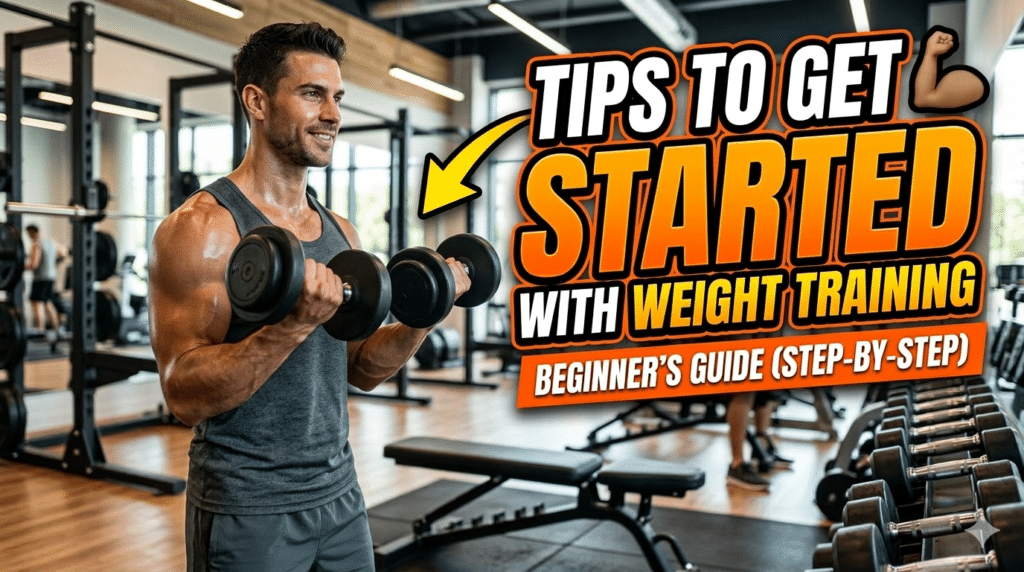
Tips to Get Started With Weight Training
Turning 40 often comes with a quiet realization: you’re not as strong, energetic, or resilient as you used to be. Joints ache more, recovery takes longer, and the spare tire around your waist seems harder to lose. Many men respond by trying endless cardio or restrictive diets, only to feel frustrated and burned out within weeks.
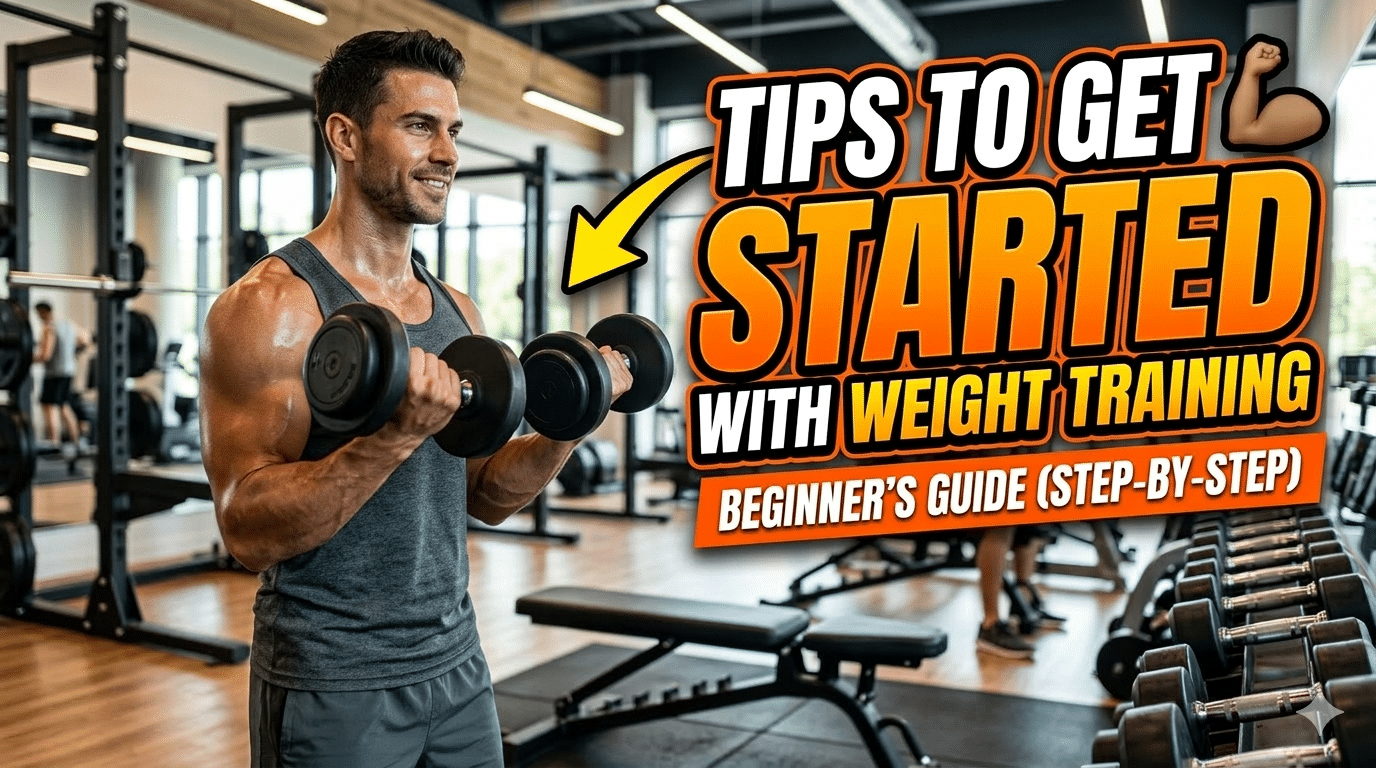
The real game-changer after 40 isn’t more running or cutting calories — it’s intelligent weight training. Lifting weights builds muscle (which boosts metabolism), strengthens bones and joints, improves posture, balances hormones, and gives you the kind of functional strength that makes everyday life easier. Best of all, you don’t need to live in the gym or follow complicated programs. Just 3 smart sessions per week can completely transform how you look, feel, and move.
This guide gives you the exact tips that thousands of DadBod40 readers have used to start lifting safely and successfully after 40. No bro-science, no ego lifting, no 2-hour workouts. Just practical, joint-friendly advice that delivers real results in the real world. Let’s get you started the right way.
1. Start With a Simple Full-Body Routine (3 Days Per Week)
The biggest mistake beginners make is copying complicated bodybuilding splits. After 40, your body recovers slower and needs more frequency to build strength without overtraining. The smartest approach is a full-body workout 3 non-consecutive days per week.
This hits every major muscle group frequently enough to stimulate growth but gives you plenty of recovery time. You’ll build strength faster, burn more calories, and see visible changes in 4–6 weeks.
Sample beginner full-body workout (45–60 minutes):
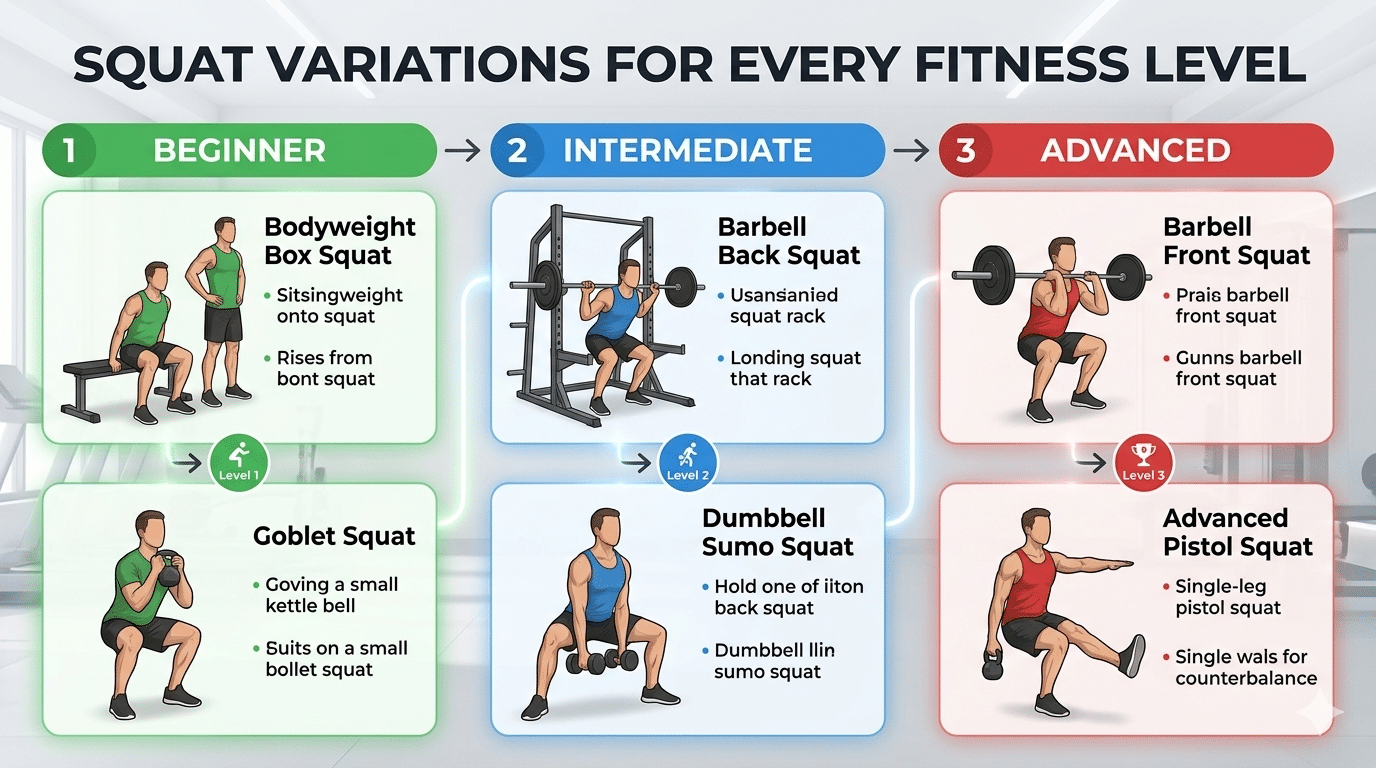
- Squats or Goblet Squats — 3 sets of 8–12 reps
- Bench Press or Push-Ups — 3 sets of 8–12 reps
- Bent-Over Rows or Dumbbell Rows — 3 sets of 8–12 reps
- Overhead Press — 3 sets of 8–10 reps
- Deadlifts or Romanian Deadlifts — 3 sets of 6–10 reps
Rest 90–120 seconds between sets. Use weights that challenge you but allow perfect form.

2. Master Form Before You Add Weight
After 40, your joints and connective tissue are less forgiving. Poor form is the fastest route to injury and frustration. Spend your first 2–4 weeks focusing exclusively on technique — even if that means using very light weights or just bodyweight.
Film yourself. Watch tutorials from trusted sources. Consider one session with a trainer or use apps like Hevy or Strong that have form-check features. Once your movement patterns are solid, adding weight becomes safe and effective.
Golden rule: If you can’t do the exercise with perfect form for 8 reps, the weight is too heavy. Drop it and build up gradually.
3. Use Progressive Overload — The Real Secret to Progress
Your body only adapts when you give it a reason to. Progressive overload means gradually making your workouts harder over time — adding weight, reps, sets, or improving technique.
For men over 40 this is especially powerful because it builds strength without destroying recovery. Track every workout in a simple notebook or app. Aim to improve something small each session: one extra rep, 5 more pounds, or better form.
Example: Week 1 you squat 135 lbs for 8 reps. Week 4 you squat 155 lbs for 8 reps. That steady climb is what turns average results into life-changing transformation.
4. Prioritize Recovery — Sleep, Protein & Rest Days
After 40, recovery is your superpower. Most guys fail not because they don’t train hard enough, but because they don’t recover well enough.
Key rules:
- Sleep 7–9 hours every night (non-negotiable)
- Eat 0.7–1 gram of protein per pound of body weight daily
- Take at least 1–2 full rest days between training sessions
- Use mobility work and light walks on off days
Many men over 40 see their biggest gains when they finally treat recovery as seriously as training itself.
5. Choose the Right Equipment & Environment
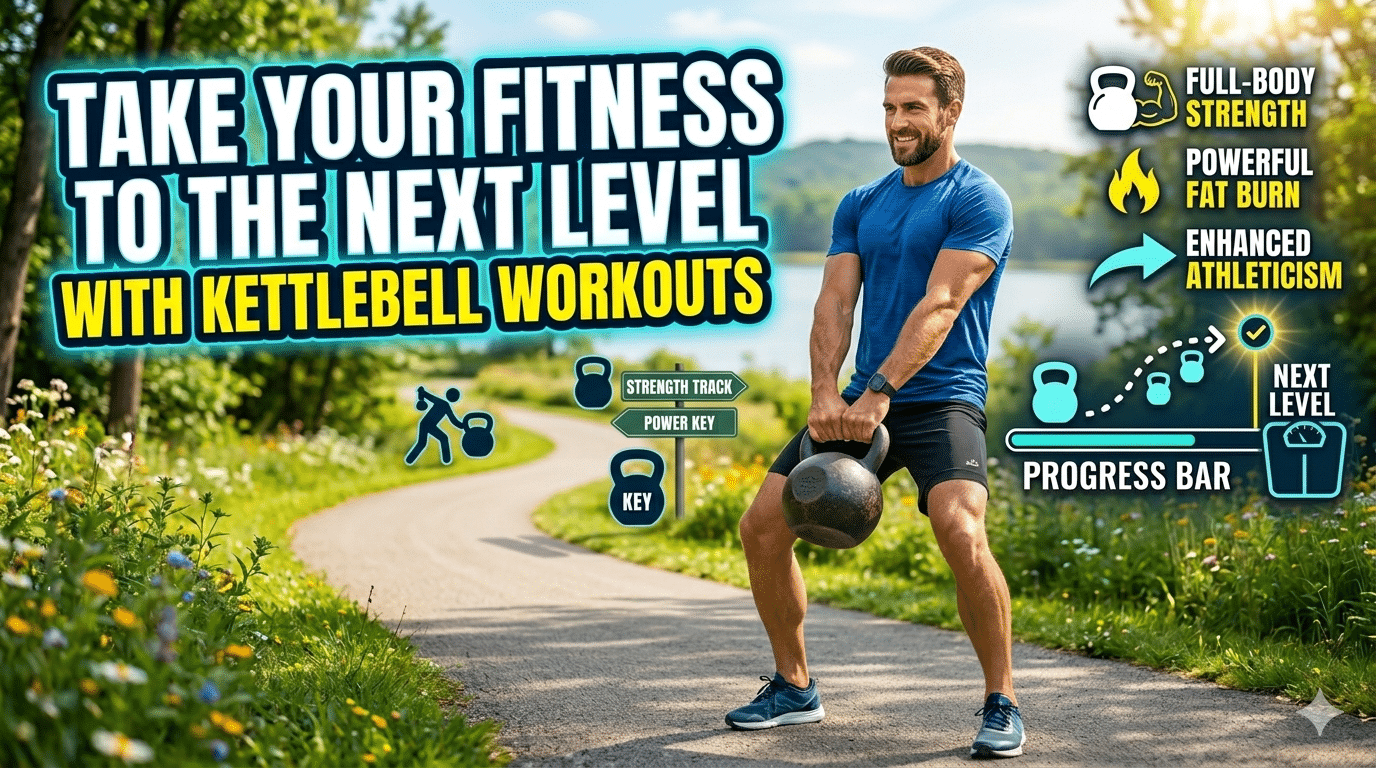
You don’t need a fancy commercial gym. Start with dumbbells, a barbell, or even kettlebells at home. A basic setup (adjustable dumbbells + bench + pull-up bar) costs less than one month of gym membership and lasts for years.
If you prefer a gym, choose one with free weights and machines that let you progress safely. Avoid places that push you into ego lifting or crowded peak-hour chaos.
6. Focus on Compound Movements First
Compound lifts (squats, deadlifts, bench press, rows, overhead press) give you the most bang for your buck. They build the most muscle, burn the most calories, and improve real-world strength.
Isolation exercises like curls and tricep extensions are fun finishers, but they should come after the big movements. Spend 70–80% of your workout time on compounds for the fastest results.
7. Be Patient and Consistent — Results Take Time
The men who succeed long-term are the ones who show up even when progress feels slow. Expect visible changes in 8–12 weeks and major transformation in 6–12 months. Consistency beats intensity every single time.
Track your workouts, take progress photos every 4 weeks, and celebrate small wins (stronger lifts, better energy, looser clothes). The compound effect of showing up 3 times a week for a year is life-changing.
Your Strongest Chapter Starts Now
Weight training after 40 isn’t about chasing a six-pack or lifting the heaviest weights in the gym. It’s about feeling strong, confident, and capable in your own body for decades to come. Start simple, focus on form and consistency, and let progressive overload do the rest.
The first 30 days will feel awkward. The next 90 days will feel exciting. By the 6-month mark you’ll look in the mirror and barely recognize the stronger, leaner, more energetic version of yourself.
You don’t need to be perfect. You just need to start. Grab a pair of dumbbells, follow the tips above, and take that first step today. Your future self is already thanking you.
Want weekly beginner-friendly workouts, form videos, and DadBod40 programs designed specifically for men over 40? Join the free newsletter here — no fluff, just what actually works.
About the Author

J.V. CHARLES – DadBod40
Helping men over 40 build real strength, lose fat, and feel great again — without living in the gym or following complicated programs. Simple training. Real results.