Eating Organic: Can It Lower Your Cancer Risk?
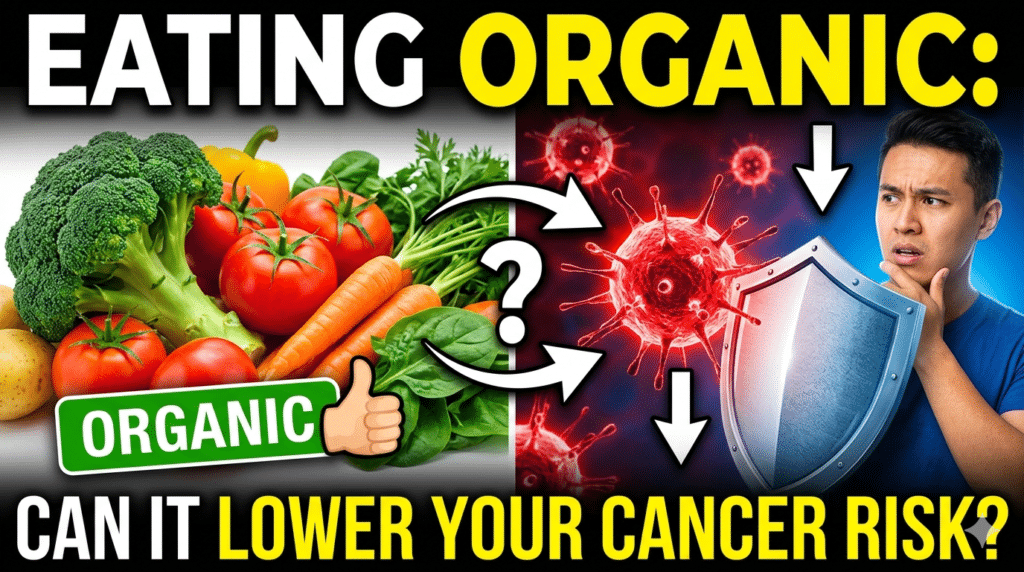
Organic food is one of the most debated topics in nutrition for men over 40. On one side, you have higher prices, claims of superior nutrition, and promises of lower cancer risk from reduced pesticide exposure. On the other, many experts argue the differences are small, the cancer protection is overstated, and the extra cost could be better spent on more vegetables, better training, or quality sleep.
The truth is somewhere in the middle. Eating more organic food can meaningfully reduce your exposure to certain synthetic pesticides and residues that are classified as probable or possible carcinogens. However, the direct evidence that choosing organic over conventional food substantially lowers your overall cancer risk is modest at best for most cancer types. The biggest benefits appear tied to specific cancers (particularly non-Hodgkin lymphoma) and are often entangled with the fact that people who buy organic also tend to eat more plants, exercise more, and live healthier lifestyles overall.
This practical 2026 guide breaks down the real science, what the major studies actually show, the practical benefits for men over 40 (pesticide reduction, antioxidants, hormone support), the limitations, and how to decide if going organic is worth the extra money for your specific goals of staying lean, protecting your heart, and lowering long-term cancer risk. No hype — just clear, actionable information so you can make smarter choices without wasting money.
The Main Reason People Choose Organic: Lower Pesticide Exposure
Organic standards prohibit most synthetic pesticides, herbicides, and fertilizers. Multiple studies confirm that people who eat a higher proportion of organic food have significantly lower levels of pesticide metabolites in their urine and blood. A well-known intervention study showed that switching to an all-organic diet for just a few days reduced urinary pesticide levels by 60–98% for several common compounds.
This matters because some pesticides (such as glyphosate and certain organophosphates) are classified as probable or possible human carcinogens by the IARC. Chronic low-level exposure is a legitimate concern, especially for men over 40 who have already accumulated decades of environmental exposure. Reducing that load is a reasonable precautionary step, even if the absolute risk from food residues is considered low by regulatory agencies when conventional produce meets safety limits.
What the Major Studies Actually Show About Cancer Risk
The most frequently cited positive study is the 2018 NutriNet-Santé cohort from France (nearly 69,000 adults). Participants with the highest frequency of organic food consumption had about a 25% lower overall cancer risk compared to those who rarely or never ate organic, after adjusting for many lifestyle factors. The association was strongest for postmenopausal breast cancer and non-Hodgkin lymphoma.
However, other large studies paint a more mixed picture:
- A 2025 systematic review and meta-analysis found no significant overall reduction in cancer risk with higher organic consumption when rigorously controlling for diet quality and lifestyle.
- The UK Million Women Study and several U.S. cohorts showed little or no clear reduction in overall cancer incidence, though some inverse associations appeared for specific lymphomas.
- Benefits, when observed, are often strongest for non-Hodgkin lymphoma and may be linked to lower exposure to certain pesticides associated with that cancer in occupational settings.
Important caveat: People who buy organic food tend to have healthier overall diets (more fruits and vegetables, less processed food) and healthier lifestyles. When studies control for these factors, the independent effect of the “organic” label shrinks significantly for most cancers.
Other Practical Benefits for Men Over 40
Some pesticides can interfere with hormone balance. Lower exposure may support healthier testosterone levels as men age.
2. Potentially Higher Antioxidant ContentSome (but not all) studies show organically grown produce has modestly higher levels of certain polyphenols, vitamin C, and other antioxidants. The difference is usually small and varies by crop and farming practices.
3. Better Gut and Metabolic HealthReduced antibiotic and pesticide residues in organic meat and produce may support a healthier microbiome, which influences inflammation, insulin sensitivity, and weight management.
4. Environmental and Ethical WinsOrganic farming typically uses fewer synthetic inputs, supports biodiversity, and can be better for soil health — indirect benefits that matter for long-term personal and planetary health.
Limitations and Realistic Expectations
Eating organic is not a magic bullet for cancer prevention. The biggest drivers of cancer risk remain:
- Smoking
- Excess body fat
- Alcohol consumption
- Physical inactivity
- Poor overall diet (low plants, high processed food and red meat)
Switching to organic while keeping the same poor diet will not dramatically lower your cancer risk. The greatest protection comes from eating more fruits and vegetables overall — organic or conventional — combined with strength training, maintaining a healthy weight, and limiting alcohol and processed foods.
Smart Ways to Go Organic on a Budget
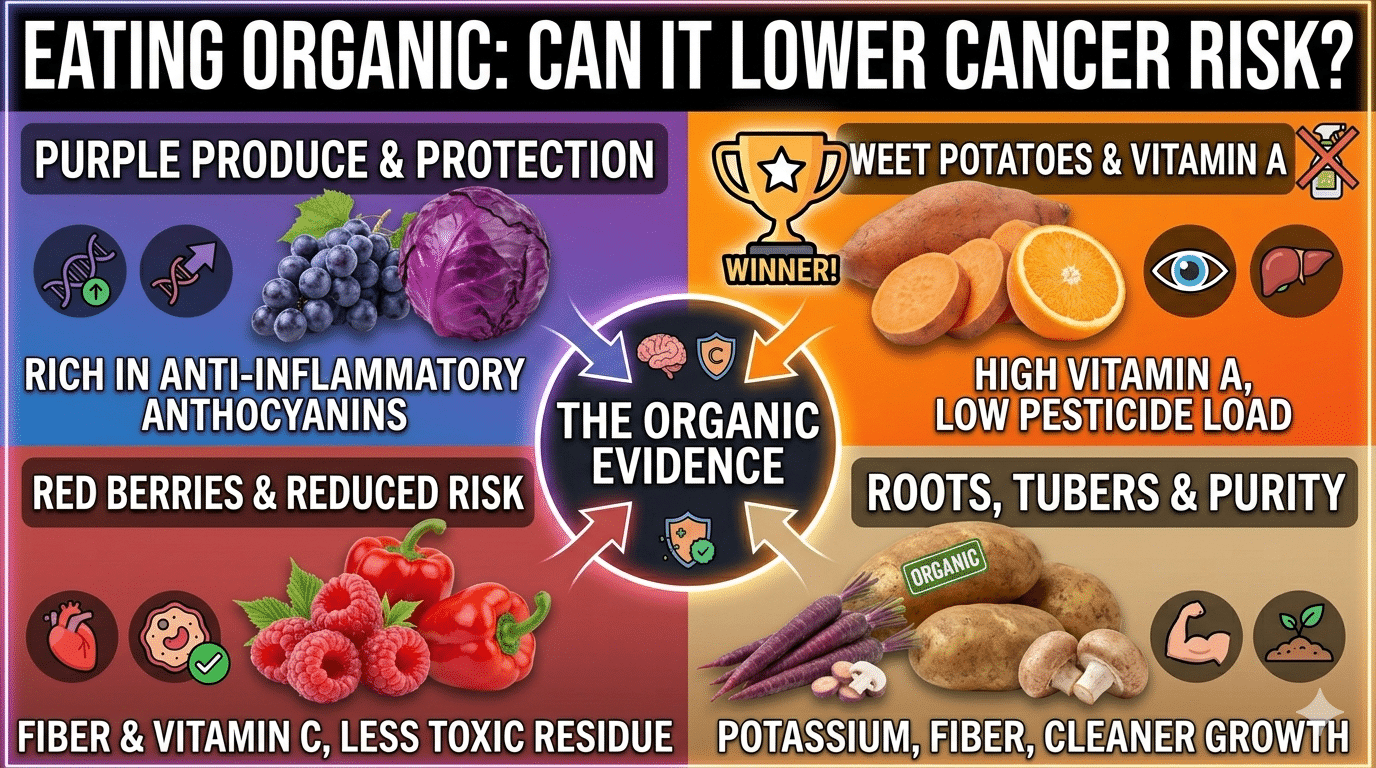
You don’t have to go 100% organic to get benefits. Prioritize the “Dirty Dozen” (high-residue crops like strawberries, spinach, apples, grapes, peaches, cherries, tomatoes, celery, kale, and potatoes) and buy conventional for the “Clean Fifteen” (avocados, sweet corn, pineapples, onions, papaya, frozen peas, eggplant, asparagus, cauliflower, cantaloupe, broccoli, mushrooms, cabbage, honeydew melon, and kiwi).
Other cost-saving tips:
- Buy in season and from local farmers’ markets
- Choose frozen organic produce — often cheaper and just as nutritious
- Focus on organic meat and dairy if budget allows (higher pesticide/antibiotic concerns in conventional animal products)
- Use the Environmental Working Group’s annual shopper’s guide as a reference
Practical Meal Ideas That Maximize Organic Benefits
Here’s how to incorporate more organic produce without breaking the bank:
- Breakfast — Organic eggs with spinach, tomatoes, and avocado
- Lunch — Grilled chicken or salmon salad with organic mixed greens, strawberries, and olive oil
- Dinner — Grass-fed steak or wild-caught fish with organic broccoli and sweet potato
- Snack — Organic apple or berries with a handful of nuts
Focus on volume: fill half your plate with organic or conventional vegetables and you’ll get the biggest protective effect regardless of the label.
Eating Organic Is a Smart Precaution — But Not a Guarantee
Choosing more organic food can meaningfully reduce your exposure to synthetic pesticides and certain residues that may contribute to cancer risk over time. The evidence for a direct, large reduction in overall cancer incidence is modest and often confounded by healthier lifestyles among organic buyers. The strongest and most consistent signals appear for non-Hodgkin lymphoma and some other specific cancers.
For men over 40, going partially organic (especially for high-residue produce and animal products) is a reasonable precautionary step that also supports lower inflammation, better hormone balance, and overall metabolic health. However, the biggest cancer-protection wins still come from maintaining a healthy weight, strength training, eating plenty of vegetables and fruits (organic or not), limiting alcohol and processed meat, and not smoking.
Don’t let perfect be the enemy of good. Start by swapping the Dirty Dozen to organic when possible, focus on eating more plants overall, and keep training hard. That combination will give you far more protection than obsessing over every label.
Your body is listening to what you eat and how you live. Make smart, sustainable choices and it will reward you with better energy, easier fat loss, and lower long-term risk.
Want weekly meal plans with smart produce choices, full DadBod40 programs, and training designed for men over 40? Join the free newsletter here — real food, real results, real life.
About the Author

J.V. CHARLES – DadBod40
Helping men over 40 build strength, lose fat, and stay healthy — with practical, science-backed nutrition strategies that fit real life and actually deliver results.